Cast: Keira Knightley, Timothée Chalamet, [Actor Name for Rugged Man], [Actor Name for any others visible/implied],…
Genres: Sci-Fi / War / Drama / Fantasy
Tagline: Shadows Hide Deadly Secrets.
We return. The sand is a furnace, the wind a ghost that cannot speak. The echoes of a prophet’s call have not yet settled, but the ground is already preparing for a deeper war, a final claiming of the desert’s soul. This is not a new beginning, but the heavy, inevitable conclusion of things written long ago in spice and shadow.
Keira Knightley – The Ancient Voice of Fate
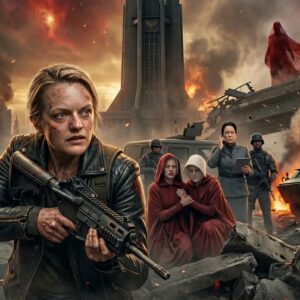
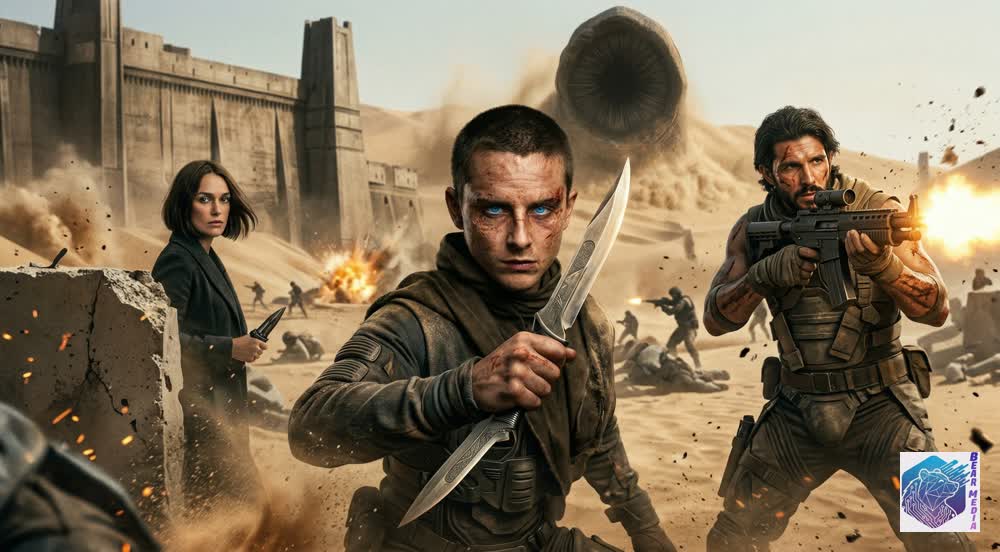
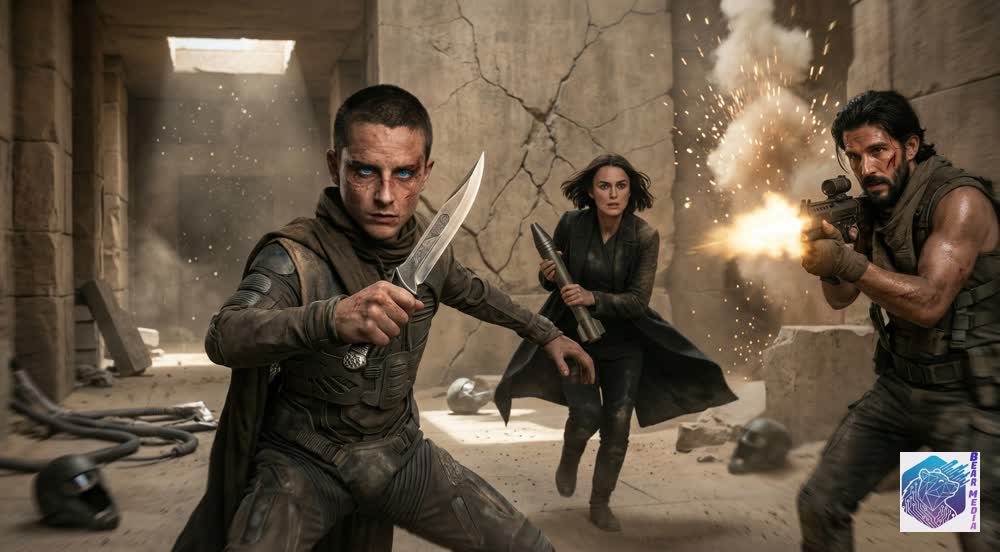
Her eyes are a mirror of the past. Knightley’s character is a Bene Gesserit oracle, not of the old, broken sort, but an ageless constant. She walks where only the old ones can, whispering truths that burn. Her conflict is an impossible burden: she holds the collective memory of a thousand failed empires, a silent observer forced to finally intervene, not with power, but with a horrifying truth that may save her people, or doom them. She does not look upon the future with hope; she looks upon it with the terrifying clarity of one who has already seen it end.
The Rugged Leader – The Desolation of a Warlord
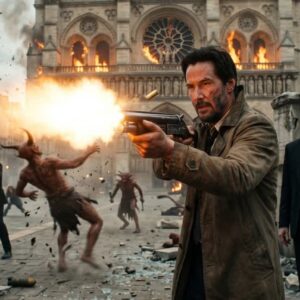
His face is a map of the scorched earth. The unnamed Fremen chieftain is a warrior from a time when honor was measured in water. He does not know the internal prescient battles of a messiah, only the external battle for survival. He is a leader in a war that has lost its meaning. His conflict is the primal pull: to avenge a planet that is being destroyed for the very thing that sustained it. The bullet and the knife in his hands are tools of necessity, not religious fervor. He leads a people who were once connected to the deep desert, now forced into a scorched-earth total war.
The Timothée Chalamet Figure – The Haunted Messiah’s Final Burden
His eyes are too blue, too profound, an aching ocean of spice. He is the central figure, the one who was prophesied. He has been the Savior, the Kwisatz Haderach, the Emperor. Now, he is simply… a man with too many visions. His conflict is a torment of prescience. He has seen the final total war, a future so dark that even his god-like power cannot stop it, only navigate its horrifying narrow paths. He holds the ornate knife not for a single foe, but as the final, terrible key to a secrets’ completion. Every vision is a promise, and every promise is a curse.
The worm knows. And the worm does not forgive.
The worm knows. And the worm does not forgive.
It is the desert itself that finally claims its voice. The Colossal Sandworm, Shai-Hulud, does not simply appear; it is an event, a primordial force unleashed by the sheer gravity of human greed and war. Its very presence is a judgement. It is the catalyst that forces the hidden secrets to surface, not by revelation, but by destruction.
Secrets are paid for in blood.
Secrets are paid for in blood.
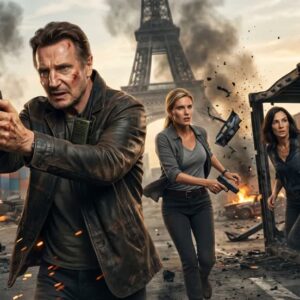
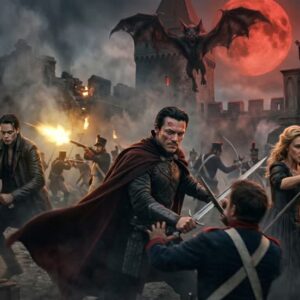
The final war for Arrakis is not fought on a field of glory, but in a burning hell. The forces of the prophecy, the indigenous Fremen, and the ancient truths collide. Below, armies of thousands clash, a swarm of human ants against a backdrop of global desolation. The city-fortress in the distance becomes a target, a symbol of a decaying power. It is a shared crisis event of total, unconditional annihilation. As the very sky burns with the fire of weapons and the wrath of the desert, the secrets are laid bare in the sand.
The sand always moves. The sand always knows.
The sand always moves. The sand always knows.
But there is a final, poetic design. In the image of the worm rising, not to consume the battle, but to stand as a singular, god-like witness. A different kind of miracle. A symbolic visual ending where the sand turns to glass not from fire, but from the immense power of the worm, sealing the battlefield, the secrets, and the memory of the messiah in an eternal, glittering prison.
Themes:
-
The Burden of Prophecy: The torment of seeing a future and the heavy price of prescience.
-
Secrets of the Sand: The ancient betrayals and powerful knowledge hidden within the desert itself.
-
Fate vs. Free Will: The ultimate limits of human action against the grand, inevitable design of a planet.
-
Environmental Judgment: A world that reclaims its soul from those who exploit it.
Can a prophet ever find peace in a future he has already doomed?
The sand remembers. The sand forgives.
The sand remembers. The sand forgives.
The desert is not just a place. It is a conscience. DUNE PART THREE is the final, echoing breath of a world that refuses to be forgotten, a film that doesn’t just show us a future, but forces us to confront the eternal nature of our own shadows. A masterpiece that closes its epic saga not with a battle won, but with a world remembered.
⭐⭐⭐⭐⭐ – “A powerful, poetic ending that leaves a lasting scar.”